A single short drama can have multiple language versions mainly because subtitle files or dubbed audio tracks are added in post-production, so the original footage does not need to be reshot. Subtitles turn dialogue into text shown on screen, while dubbing replaces the original sound with a voice in another language. The two can be produced and set separately. This article explains the production process for subtitles and dubbing and the trade-offs between them, and uses two HONG LUO titles as examples.
The gap between the original language and viewers
Every short drama is shot in an original language, and its dialogue, tone and pacing are designed around that language. Viewers who do not understand it need to rely on text or voice to follow the story. Because vertical short dramas have brief, fast-paced episodes, viewers quickly lose patience if a translation or dub is not smooth. The key to localization is therefore not reshooting, but accurately matching the meaning, tone and sense of timing of the language to the existing footage.
Subtitle production process
Subtitles are usually completed in the following steps:
- Obtain the script: Organize each episode's dialogue into a line-by-line script, and note where each line appears on screen.
- Translation: Translators work from the plot and the relationships between characters, aiming to convey meaning and tone rather than translating word for word. Names and forms of address must stay consistent so viewers are not confused.
- Line breaks and character count: A subtitle line that is too long is hard to read in time, so each sentence is usually split into one or two lines and condensed.
- Timing: The appearance and disappearance of each subtitle line is aligned with the start and end of the spoken line.
- Review and export: Check for typos, terminology and overlapping timing, then export the subtitle file. SRT is a common format, and WebVTT is often used for web playback.
Subtitles can be attached to the video as a separate file, so the player can turn them on or off and switch languages at any time. Another approach is to burn subtitles directly into the picture, which cannot be turned off or switched to another language. If an episode's picture already has burned-in subtitles, the player will by default not overlay subtitles in the same language, so the screen does not show two identical lines of text. If a viewer explicitly selects that language, it is displayed as chosen.
Dubbing production process
Dubbing involves more steps than subtitles:
- Script adaptation: Translated lines are rewritten into versions suited to spoken delivery, with lengths adjusted to match the characters' mouth movements and actions.
- Casting and recording: Voice actors are chosen to suit each character's age and personality, and the recorded tone should stay close to the original performance.
- Syncing: The length of each dubbed line must match how long it stays on screen. When lip movements and voice do not match, viewers easily lose immersion.
- Mixing: The volume of voices, background music and sound effects is adjusted so the dubbing does not drown out important sound effects in the scene.
- Export and check: Dubbing is saved as a separate audio file. Before release, confirm that the file plays properly, has audible sound and matches the length of the video.
Dubbing is stored separately from the video, so viewers can switch between the original audio and the dubbed version during playback without a separate picture version being made. However, the same meaning can take different lengths in different languages, so dubbing often requires balancing word count, speaking speed and on-screen timing.
Trade-offs between subtitles and dubbing
- Subtitles keep the original actors' voices and performances, so viewers hear the original tone and emotion directly. The downside is that viewers must read while watching, and too much text can cover important parts of the picture.
- Dubbing lets viewers focus on the picture and facial expressions without reading. The downside is that the original voices are replaced, and each dubbed language must be recorded and synced separately, which adds time and manpower.
Neither is inherently better. The most suitable approach depends on the title's genre, viewer habits and production resources.
Two titles as examples
The two titles below both feature adult characters and can serve as references for the translation challenges that different genres present. The subtitle and dubbing languages offered for each episode should be confirmed on the series page and in the player menu.
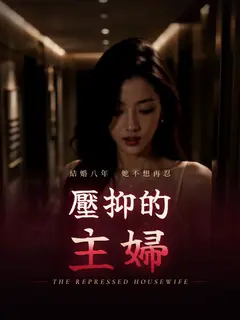
The Repressed Housewife
The Repressed Housewife belongs to the Urban Romance genre and has 10 episodes. Lin Wan marries Chen Zhiyuan, chairman of a listed company. Her marriage has left her neglected for years, and when her mother falls seriously ill and needs money, she agrees to an ambiguous course of sessions with a self-described sex therapist, Gu Xing, and a tangle of desire and secrets follows. The drama's tension comes from the probing and concealment between characters, so the translation needs to convey the characters' hesitation and what they leave unsaid, or viewers may misread their attitudes. It suits viewers who enjoy urban romance and psychological tension between characters.
Teaching in the Village of Widows
Teaching in the Village of Widows is a rural romance drama with 9 episodes. The adult Xiao Ming runs out of savings and returns to a remote mountain village near his hometown to work as a substitute teacher. Most of the village's men work away from home, and the passionate female village head and the sisters-in-law try every way to keep him. In general, dialogue in rural settings often carries everyday expressions and the nuances of closeness and distance between people, so when translating into other languages, it is necessary to find forms of address and a tone that convey the same interpersonal distance. It suits viewers who enjoy rural backdrops and character interactions, and who are curious about how local context is rendered in translation.
Choosing between subtitles and dubbing
- If you want to hear the original actors' voices and tone, subtitles are the better choice.
- If you want to focus on the picture and expressions without constantly reading, you can switch to dubbing, provided the episode offers the dubbing language you want.
Subtitle and dubbing languages differ from episode to episode, so check the menu in the player. If you have questions about subtitles or dubbing, you can refer to the FAQ. To choose a title, go to All short dramas and start with its free preview episodes.