Vertical short dramas work especially well on phones because their pictures are designed upright from the start of production. The aspect ratio of vertical video is close to the screen of most smartphones held upright, so the picture fills the screen without turning the phone or zooming. Cameras focus on characters, and each episode is short with tight pacing, so viewers can hold the phone with one hand and watch one episode after another in spare moments. The sections below look at composition, pacing and viewing habits.
An aspect ratio that matches the phone screen
Landscape video played on an upright phone leaves large black bars above and below, making characters look small and details hard to see. Vertical video usually has a 9:16 aspect ratio, close to the screen of an upright phone, so the main character's face and upper body can fill most of the frame.
In terms of composition, vertical short dramas often use medium close-ups and close-ups. Phone screens are small, so subtle expressions, eye movements and body language need to be shown at a larger scale for viewers to read the characters' emotions. Subtitles usually sit at the bottom of the frame, so the composition must leave room to avoid covering characters' faces and key actions.
Pacing: a fast opening and a cliffhanger at the end
Phone viewers may leave at any moment, so vertical short dramas usually establish the characters and situation within a few seconds, then move quickly into conflict. Unlike the long build-ups of traditional series, each episode is short, so every one needs its own mini climax and ending to make viewers want to watch the next.
In general, an episode can be structured in three parts:
- Opening: establish the relationships and situation, and grab attention
- Middle: push the conflict forward, with at least one twist or revelation
- Ending: leave a cliffhanger so viewers want to watch the next episode
This pacing works well with how people use their phones. Viewers do not have to watch an entire title at once, and each episode works as a complete piece of the story, so stopping partway and picking up the next day does not feel disjointed.
Viewing habits: spare moments and one-handed use
Many people watch videos on their phones during commutes, in queues, while waiting for food or before bed. Vertical short dramas have brief episodes that can be held and swiped with one hand, so viewers do not need a dedicated block of time or a special viewing setting.
This is also why the storytelling in vertical short dramas tends to be clear and focused. Viewers may be interrupted at any moment, so each episode should have clear characters and conflict, letting viewers pick up the plot quickly even after a break.
Two titles as examples
The two titles below both focus on relationships between characters and emotional tension, which makes them well suited to watching episode by episode on a phone. All characters in this article are adults.
Marital tension in a wealthy urban family
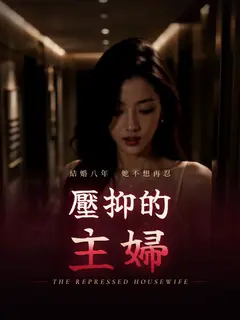
The Repressed Housewife is an urban romance drama with 10 episodes, categorized under Urban Romance. Lin Wan marries the chairman of a listed company and, in her wealthy marriage, has been neglected for years, her dignity repeatedly trampled. When her mother falls ill and urgently needs money, she agrees to an ambiguous course of sessions with a self-described sex therapist, Gu Xing. The relationship grows more complicated, and her husband begins to suspect her. Works centered on shifts in characters' emotions and relationships like this one suit vertical framing, which lets viewers study expressions up close. It also suits viewers who enjoy wealthy family settings and marital entanglements.
Human connections and keeping people in a rural village
Teaching in the Village of Widows is a rural romance drama with 9 episodes. The male lead, Xiao Ming, has run out of savings and returns to a remote mountain village near his hometown to work as a substitute teacher. Most of the village's men have left to work elsewhere, funds are tight, and even the teacher's salary cannot be paid. Yet the passionate female village head and the sisters-in-law try every way to keep him. Xiao Ming had planned to stay only a month, but he slowly discovers how the village keeps people there, and begins to find it hard to leave. Viewers who enjoy rural backdrops and human-interest stories will find this title a good fit.
To experience the composition and pacing of vertical short dramas for yourself, browse All short dramas to pick a title, or read the FAQ for more on how viewing works. HONG LUO offers free preview episodes for most of its titles, so whichever title you choose, you can start with its first preview episode.